

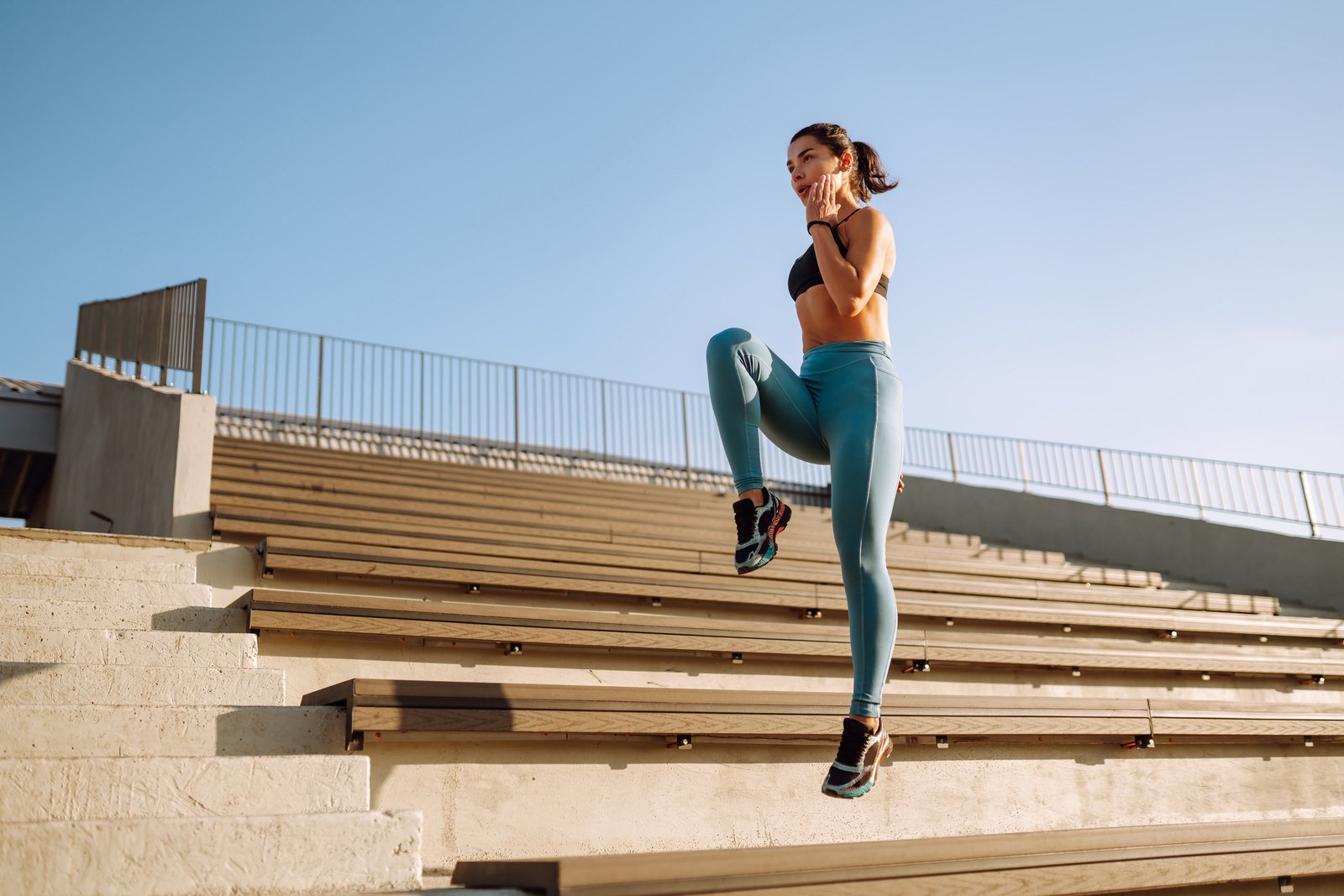
Most people think of aesthetic medicine in terms of injectables, lasers, and advanced skincare. Yet one of the most potent interventions for skin health does not come in a syringe — it comes from movement.
 I often tell my patients that the skin is not separate from the body. It is a vascular, hormonally responsive, metabolically active organ. When we exercise, we are not simply toning muscle — we are profoundly influencing skin biology.
When you engage in cardiovascular exercise, heart rate increases and peripheral circulation improves. This enhanced blood flow delivers oxygen and micronutrients directly to dermal fibroblasts — the very cells responsible for producing collagen and elastin. Improved circulation also facilitates the removal of metabolic waste products and reactive oxygen species, reducing oxidative stress within the skin.
Regular exercise has been shown to influence mitochondrial function. Mitochondria are the energy powerhouses within our cells, and their decline is closely linked to ageing. By improving mitochondrial efficiency, exercise helps maintain cellular vitality — including in the skin.
There is also a hormonal dimension. Moderate resistance and cardiovascular training improve insulin sensitivity and reduce systemic inflammation. Chronic low-grade inflammation — often referred to as “inflammageing” — accelerates collagen degradation and contributes to pigmentation disorders and textural changes. By reducing inflammatory cytokines, exercise indirectly protects dermal structure.
Interestingly, studies comparing sedentary individuals with those who exercise consistently show measurable differences in dermal thickness. In some cases, regular exercise has been associated with thicker dermal layers and improved collagen density — effects we also strive to achieve with treatments such as Profhilo, skin boosters, and biostimulatory injectables.
Sweating itself plays a minor but useful role. While it is not a “detoxification” mechanism in the way popular culture suggests, perspiration can assist in clearing pores and supporting skin barrier function — provided the skin is cleansed appropriately afterwards.
However, like all powerful interventions, exercise must be balanced. Excessive endurance training without recovery can elevate cortisol levels. Chronic cortisol elevation accelerates collagen breakdown and impairs wound healing. Intelligent training — not overtraining — is key.
From a holistic perspective, exercise improves sleep quality, modulates stress hormones, enhances mood, and supports metabolic health. All of these factors influence skin ageing at a cellular level.
So when I step onto a tennis court, I am not only discovering a new sport I love — I am supporting collagen synthesis, improving circulation, reducing inflammation, and investing in long-term skin health.
Aesthetic medicine should never replace foundational health. It should complement it.
And one final, essential point: outdoor exercise increases ultraviolet exposure. UV radiation remains the primary external driver of skin ageing. If you are exercising outdoors — particularly between April and September in the UK — daily broad-spectrum SPF is non-negotiable.
Movement is medicine. But SPF is mandatory x
