
Understanding Bone Resorption
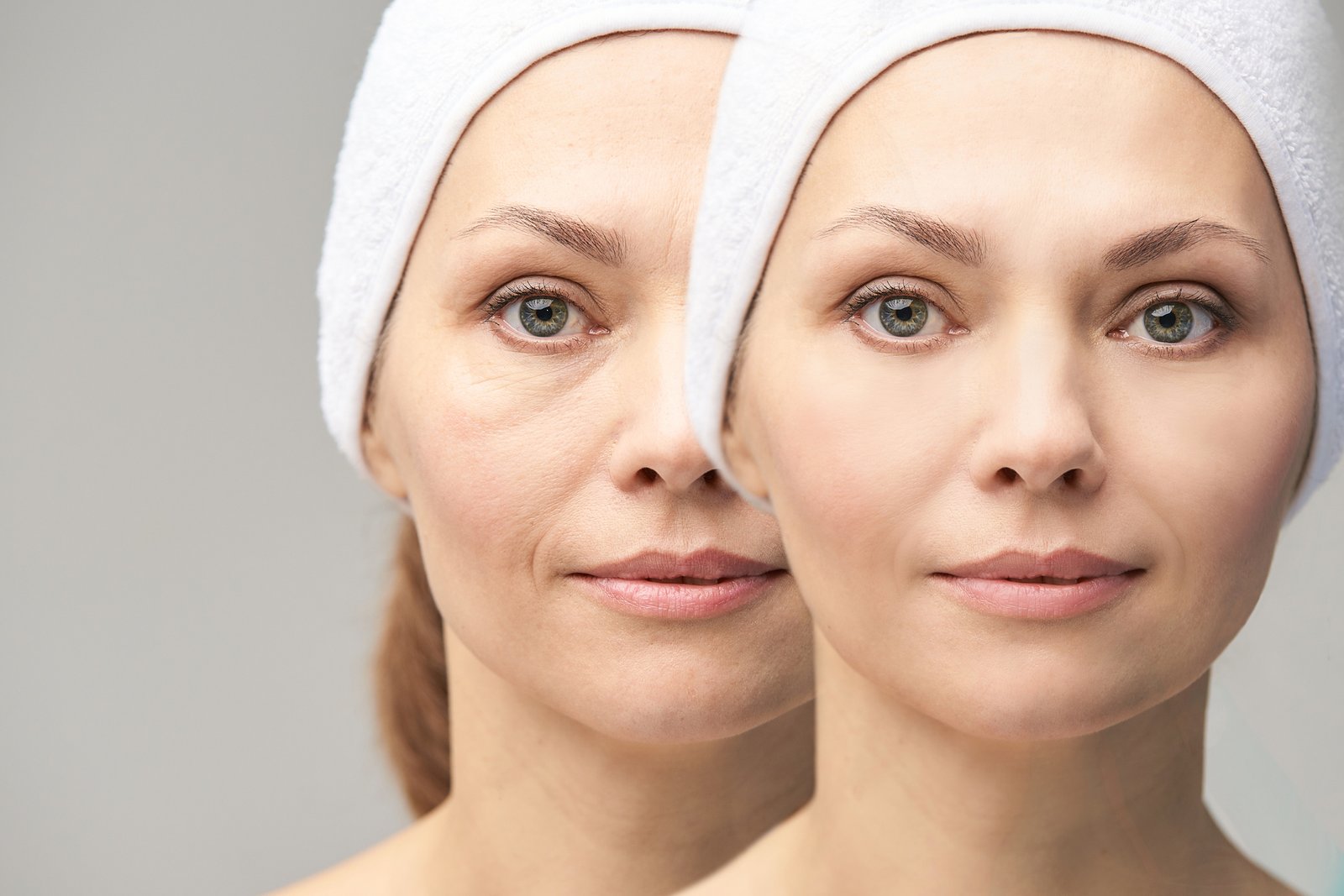
When we think about ageing, we tend to focus on what we can see in the mirror: a new wrinkle, a bit of pigment, or perhaps some sagging skin along the jawline. However, as a doctor, I know that what’s happening on the surface is often just the final chapter of a story that starts much deeper—at the bone level.
It’s a bit of a “silent” factor, but as we age, our facial skeleton actually changes shape through a process called bone resorption. Our cheekbones subtly recede, the jawbone shrinks, and the eye sockets slightly widen. If you imagine your skin and muscles as the “curtains” and your bone structure as the “curtain pole,” it makes sense that when the pole becomes shorter or thinner, the fabric starts to sag, bunch, and fold.
Restoring the Scaffolding
This is why, when a patient comes to my Leamington clinic concerned about “jowls,” I rarely start by treating the jawline itself. It might seem counter-intuitive, but by using Dermal Fillers to mimic the lost bone structure in the mid-face (the cheeks and temples), we can “hoist” the skin back into its original position.
We aren’t “bulking” the face; we are rebuilding the scaffolding. When we place a robust filler deep on the bone of the lateral cheek, it provides a mechanical lift to the lower face. It’s the difference between trying to smooth a tablecloth by pulling at the edges versus replacing the table underneath it. This approach restores the youthful “V-shape” of the face without making the face look wide or “done.”
Why Anatomy Matters
This is exactly why choosing a medically-qualified injector is paramount. To treat bone resorption effectively, you have to understand exactly where that bone loss occurs and how to navigate the “danger zones” of the facial arteries and nerves.
Ageing is a multi-layered process involving bone, fat, and skin. By understanding the “why” behind the sag, we can create a treatment plan that looks incredibly natural because it’s based on your own unique anatomy. If you’ve noticed your face shape changing, let’s look beneath the surface together and see how we can restore your natural structure.
