Aesthetic medicine is often misunderstood as a pursuit of vanity, yet modern psychological and neuroscientific research tells a very different story. As both a GP and an aesthetic doctor, I regularly see how our perception of our appearance plays a measurable role in mental health, self-esteem, social behaviour and even physiological stress responses.
Human beings are inherently visual creatures. We form impressions rapidly, and a portion of our sense of self is shaped by the reflected image we see each day. When that image begins to diverge from how we feel internally — energetic, capable, youthful — it can create a subtle but persistent psychological tension. Aesthetic medicine, when practiced ethically and conservatively, aims to resolve that tension by restoring harmony between the internal self-concept and the external appearance.
This is not superficial — it is deeply human.
The Self-Perception Gap: Where Psychology Meets Aesthetic Medicine
One of the most common phrases patients express is:
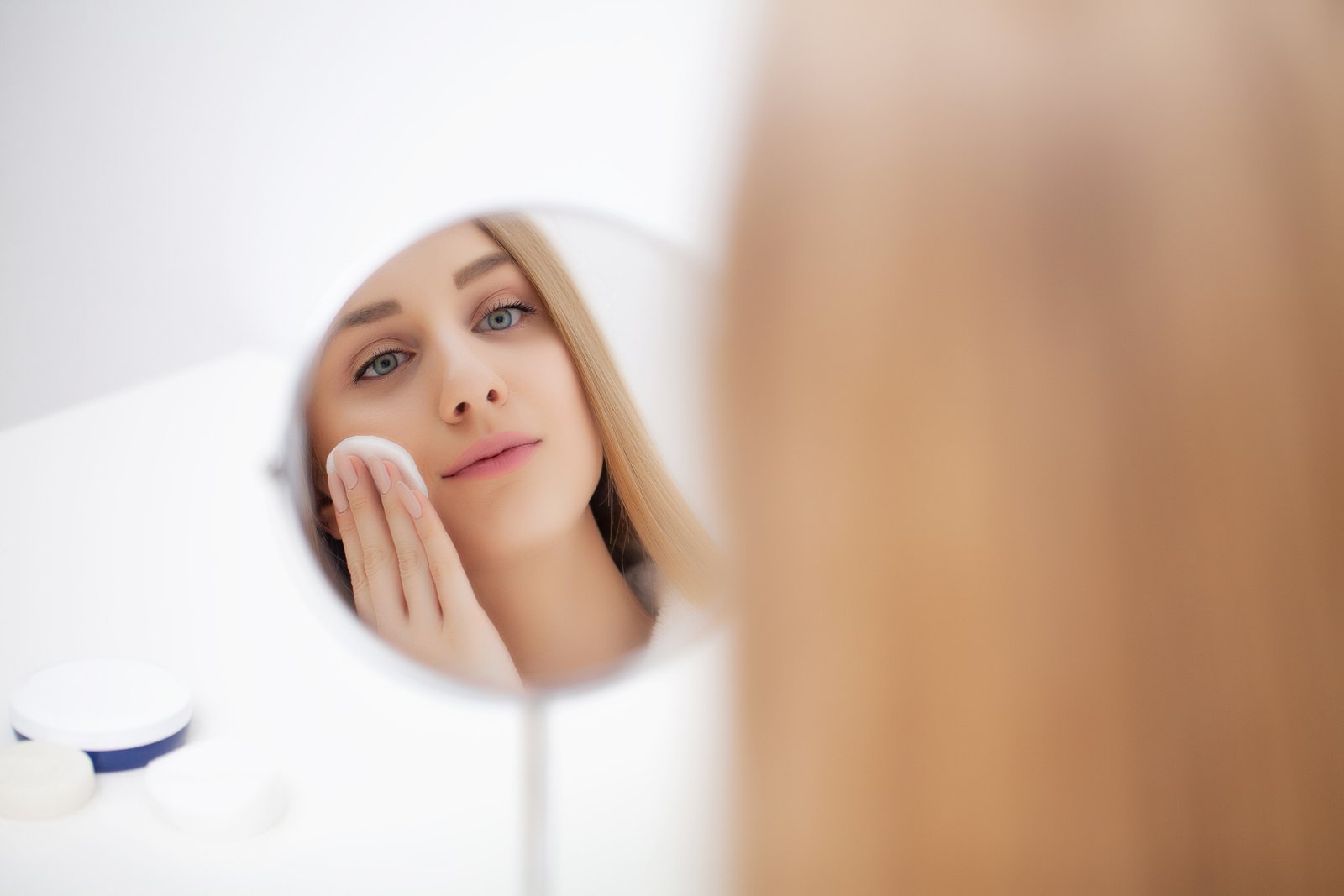
“I still feel like myself — I just don’t see that person in the mirror anymore.”
This reflects a well-established psychological concept known as self-discrepancy theory. When the physical self drifts away from the “internal self,” the brain interprets this mismatch as a form of cognitive dissonance. This can manifest as:
- reduced confidence
- social withdrawal
- dissatisfaction with photographed images
- heightened self-consciousness
Aesthetic medicine, when applied carefully, helps reduce this discrepancy. The goal is not to create a new identity, but to bring the external appearance back into alignment with the patient’s internal sense of vitality and selfhood.
Why Confidence Changes Behaviour: The Neuroscience Behind It
Confidence is not abstract — it is neurologically active.
When individuals feel more positive about their appearance, several psychological and behavioural changes follow:
- Increased social engagement
Feeling comfortable with one’s appearance decreases self-monitoring and frees cognitive resources, making social interactions more fluid and enjoyable.
- Enhanced professional performance
Studies show that when people perceive themselves as competent and presentable, they are more likely to pursue opportunities, perform better in interviews and speak assertively.
- Positive reinforcement loops
Confident behaviour leads to positive social feedback, which strengthens neural pathways associated with self-esteem and belonging.
These effects are biologically grounded. Confidence alters patterns of cortisol release, increases dopamine reward signalling and influences the neural circuits that regulate motivation and social behaviour.
Why Small Improvements Create Significant Psychological Shifts
Patients often request subtle enhancement rather than dramatic change:
- softening lines that make them look perpetually tired
- restoring mild volume loss for structural harmony
- improving skin quality to reflect health and vitality
Interestingly, research shows that the perceived improvement matters more than the magnitude of the change. Even small refinements can:
- reduce negative self-focus
- improve mood
- enhance social comfort
- increase daily motivation
This is because the brain responds strongly to congruence — the sense that “I look how I believe I should look.”
Aesthetic medicine, used judiciously, provides this congruence.
Aesthetic Medicine as Evidence-Based Self-Care
Contemporary definitions of self-care extend beyond physical health to include psychological resilience, emotional wellbeing and quality of life. Appearance-related interventions fall within this framework when they:
- improve self-esteem
- reduce appearance-related distress
- support identity and autonomy
- enhance social and occupational functioning
For some individuals, a medically guided skincare plan is sufficient; for others, minimally invasive treatments offer meaningful improvement in quality of life.
Importantly, research increasingly supports the idea that feeling satisfied with one’s appearance is a legitimate component of mental wellbeing. This does not imply perfectionism; it reflects a compassionate, science-informed approach to caring for oneself.
Ethical, Conservative Aesthetics: The Key to Psychological Safety
Aesthetic medicine must be anchored in ethics, safety and psychological insight. A responsible practitioner will prioritise:
- Natural, age-appropriate outcomes
Maintaining individual identity and harmonising features rather than altering them.
- Understanding emotional motivation
Exploring whether the desire for treatment is driven by self-care or deeper psychological stressors.
- Comprehensive assessment
Considering medical history, hormonal influences, lifestyle factors and psychological wellbeing.
- Long-term treatment planning
Avoiding quick fixes and supporting gradual, cumulative improvement that preserves facial integrity.
- Patient autonomy and informed decisions
Ensuring patients feel supported, respected and fully involved in their treatment choices.
This approach ensures aesthetic medicine enhances not only appearance but also emotional resilience and long-term wellbeing.
Final Thoughts
Aesthetic treatments are not a pursuit of perfection — they are an expression of self-respect, psychological alignment and personal agency. When performed thoughtfully, with scientific understanding and emotional awareness, the benefits extend far beyond appearance.
Patients often describe the changes not in physical terms but in how they feel:
more confident, more energised, more themselves.
If you’re considering a subtle refresh or simply exploring your options, a personalised consultation provides the opportunity to discuss goals, motivations and the most appropriate, medically guided approaches for you.
