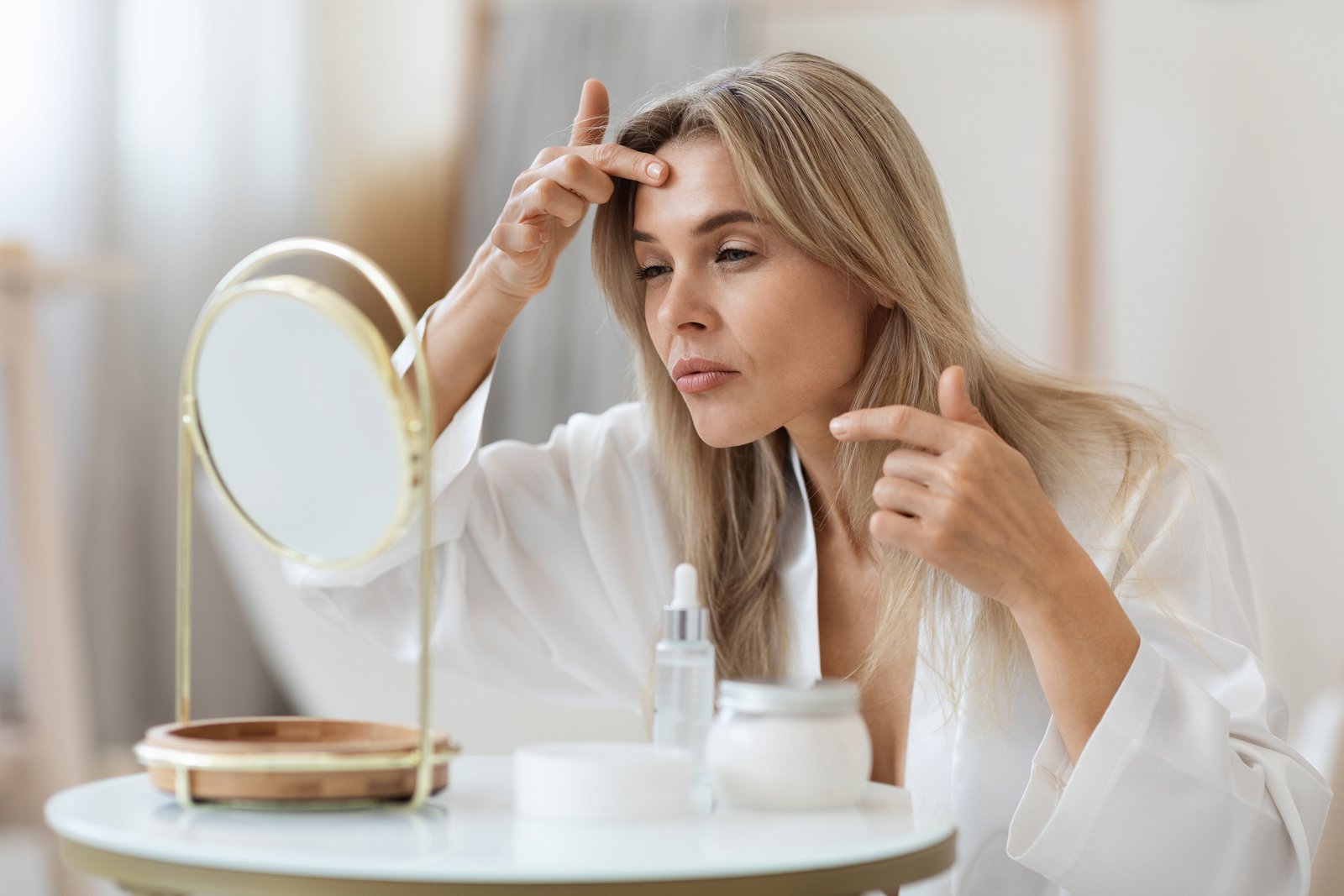
Ageing is a natural and unavoidable biological process, but the way our skin ages is influenced by many internal and external factors. Genetics, sun exposure, pollution, stress, lifestyle choices, and — importantly — hormones all interact to shape how the skin looks and behaves over time.
As an aesthetic doctor with a background in general practice and gynaecology, I regularly see women who feel their skin has changed suddenly: products stop working, dryness appears, or new lines and pigmentation develop. These shifts are rarely random. They usually reflect changes happening inside the body, especially the gradual decline in hormones like oestrogen and progesterone, which play key roles in collagen production, hydration and skin repair.
Below is a decade-by-decade explanation of how hormonal biology affects skin ageing…
Your 20s: The Foundation Years
Hormonal profile: Oestrogen, progesterone and growth-related hormones are stable and functioning at optimal levels.
Skin behaviour: Firm, bright, well-hydrated and quick to repair.
In your twenties, your collagen levels are at their peak, and the cells in your skin (fibroblasts) are very active. The skin barrier is strong, and natural hyaluronic acid levels keep the skin plump and hydrated. However, this is also when silent damage begins:
- UV exposure triggers early collagen breakdown
- Pollution increases oxidative stress
- Poor sleep and stress raise cortisol, which weakens skin repair
These changes may not show immediately, but they accumulate.
Best strategies:
- Daily SPF to protect collagen
- Antioxidants to neutralise free radicals
- Consistent skincare to maintain the barrier
This decade is about protection and prevention.
Your 30s: Early Hormonal Decline and Slower Repair
Hormonal profile: Slight decreases in oestrogen, progesterone and growth factors.
Skin behaviour: Early fine lines, dullness, reduced elasticity and more dryness.
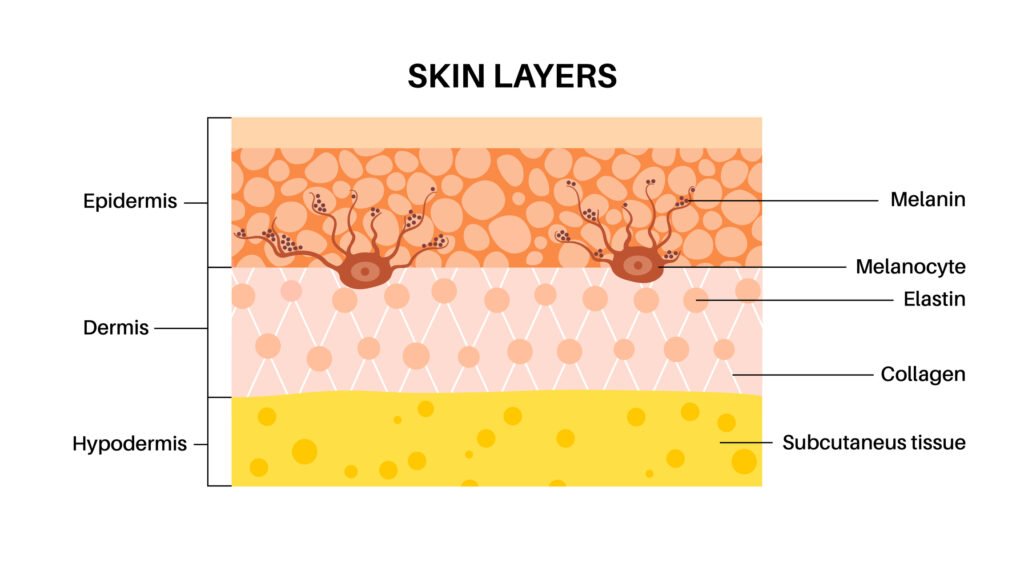
Even small hormonal changes influence how the skin behaves. Oestrogen plays a role in keeping collagen and elastin strong, so as levels begin to dip, the skin naturally becomes less firm. Cell turnover slows, meaning the surface skin layers shed less efficiently.
Pregnancy and postpartum hormonal fluctuations can trigger melasma, pigmentation and textural changes because oestrogen and progesterone stimulate melanin-producing cells.
What helps:
- Skin boosters to replenish hydration and improve glow
- Light resurfacing treatments to increase cell turnover
- Medical-grade skincare such as retinoids to support collagen repair
These mild but targeted interventions help maintain structural support as the skin begins to change.
Your 40s: Noticeable Oestrogen Decline and Structural Changes
Hormonal profile: More significant drops in oestrogen and progesterone.
Skin behaviour: Increased dryness, deeper wrinkles, early sagging and more visible volume changes.
Oestrogen directly influences:
- Collagen production (which decreases significantly in this decade)
- Hyaluronic acid levels (which keep the skin hydrated and plump)
- Sebum production (which helps maintain a healthy skin barrier)
- Microcirculation (which affects skin tone and nutrient delivery)
As oestrogen declines, fibroblasts become less active and collagen breaks down faster than it can be replaced. This leads to skin feeling drier, looking thinner, and showing deeper lines. Many women describe these changes as “sudden,” but they are a predictable part of hormone ageing.
Support strategies:
- Collagen-stimulating treatments (e.g., microneedling with RF, ultrasound tightening, biostimulators)
- Deep hydration treatments to compensate for declining hyaluronic acid
- A personalised plan combining in-clinic treatments and active skincare
This decade focuses on reinforcing the skin structure while addressing hydration and firmness.
Your 50s & Beyond: Menopause and Advanced Hormonal Skin Ageing
Hormonal profile: A rapid decline in oestrogen at menopause, followed by long-term stabilisation at much lower levels.
Skin behaviour: Thinner, drier, more fragile skin with reduced elasticity and more noticeable texture changes.
After menopause, collagen production drops sharply — up to 30% in the first five years. The skin also produces fewer natural oils, reducing its ability to stay moisturised and protected. Hyaluronic acid levels decline, making the skin appear less plump.
These biological changes can cause:
- More pronounced lines
- Sagging in the lower face
- Increased crepiness
- Greater sensitivity
What makes a difference:
- Treatments that restore volume (e.g., fillers or biostimulatory injectables)
- Skin boosters to enhance hydration and skin quality
- Barrier-repairing skincare with ceramides, peptides and lipids
- Comprehensive long-term plans to support collagen, elasticity and barrier health
At this stage, treatment aims to restore function, comfort and structure, not just appearance.
Final Thoughts
Hormonal changes affect nearly every layer of the skin, which is why understanding them is so important. If your skin has started behaving differently, it’s often a reflection of internal biological change rather than something you’ve done “wrong.”
A personalised consultation can help identify where you are in your hormonal journey and guide you toward scientifically supported treatments that maintain healthy, resilient and radiant skin at every age.
